

Assessment of Fundamental Knowledge (AFK)
The purpose of the AFK is to test your knowledge of biomedical science and applied clinical science. A passing grade is required before you can continue to the other examinations in the Equivalency Process.

Assessment of Clinical Judgement (ACJ)
The Assessment of Clinical Judgement (ACJ) is a challenging Canadian dental board exam, part of the NDEB equivalency process, testing internationally trained dentists on diagnosis, treatment planning, and radiographic interpretation using case studies, charts, and X-rays, focusing on critical thinking and decision-making for practice in Canada. It's a 5.5-hour multiple-choice exam (120-150 questions) covering various dental specialties, requiring extensive practice with radiology and clinical scenarios, with preparation courses widely available.
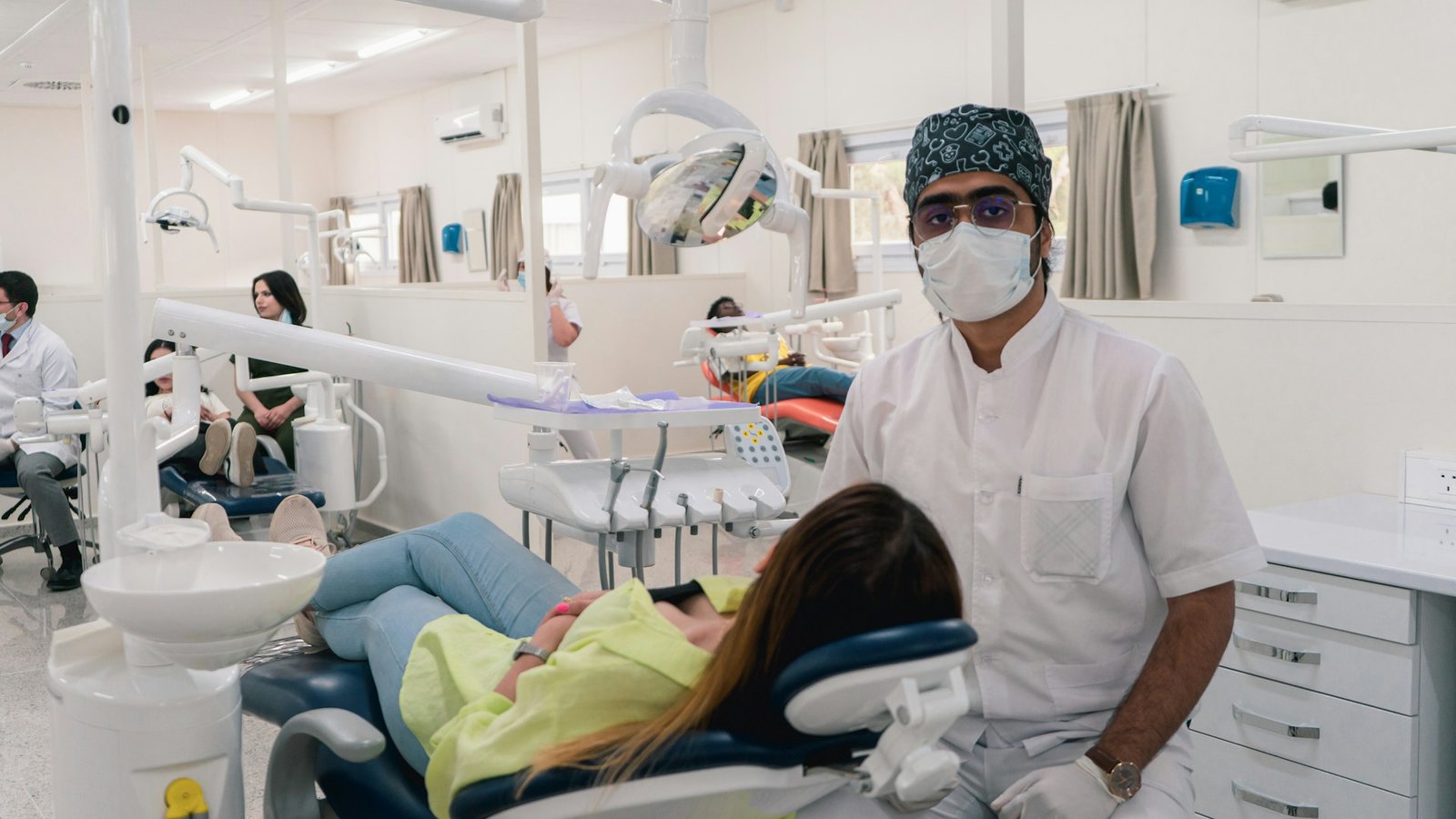
National Dental Examination of Clinical Competence (NDECC)
The NDECC (National Dental Examination of Clinical Competence) in Canada is a crucial two-part exam for internationally trained dentists or those from non-accredited programs, assessing their skills against Canadian standards through hands-on Clinical Skills (on mannequins) and problem-solving via Situational Judgement (written/spoken scenarios) to become licensed dentists in Canada, run by the National Dental Examining Board of Canada (NDEB).

Virtual OSCE (Objective Structured Clinical Examination)
The Virtual OSCE in Canada is the mandatory, national, computer-based final exam for aspiring dentists, assessing critical decision-making and problem-solving skills for licensure, combining standard multiple-choice with complex case-based questions involving images and charts, administered by the National Dental Examining Board of Canada (NDEB). Passing it is the final step to gain NDEB certification and legally practice dentistry in Canada, replacing previous written exams.